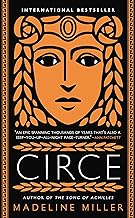
In the vast pantheon of Greek mythology, few figures have undergone as profound a modern renaissance as Circe. Once relegated to the margins of epic poetry as the sorceress who turned Odysseus's men into swine, she has been reborn in the 21st century as a complex, powerful, and deeply human protagonist. This resurgence is largely thanks to Madeline Miller's masterful novel, Circe, a work that has not only topped bestseller lists but also redefined the genre of mythological retelling.
The Heart of the Story: Madeline Miller's Vision
Madeline Miller's Circe is more than a simple retelling; it is a reclamation. The novel gives voice to a goddess who was often silenced or vilified, exploring her immortal life from her lonely childhood among the Titans to her exile on the island of Aiaia. Miller's prose is lush and immersive, painting a vivid picture of the ancient world while delving into timeless themes of power, agency, love, and family. It's no wonder the book has earned its place as a modern classic and a frequent Book Of The Year contender.
The novel's success is intrinsically linked to Miller's earlier work, The Song of Achilles: A Novel (P.S.). Together, these books form a powerful diptych that re-examines Greek myths through a fresh, emotionally resonant lens. For readers who can't get enough, the Circe and The Song of Achilles By Madeline Miller 2 Books Collection Set is the perfect way to own both landmark works of mythological fiction.
A Global Phenomenon: Circe in Translation
The power of Circe's story transcends language. The novel's impact is evident in its international editions, such as Circe [AdN] (Spanish Edition) and the German translation, Ich bin Circe: Roman. These editions allow the themes of feminist rebellion and self-discovery to reach a global audience, proving that the desire for nuanced, feminist retellings of ancient stories is universal. For deeper analysis, resources like the Study Guide for Book Clubs: Circe offer excellent frameworks for discussion and literary analysis.
Beyond the Novel: Circe's Expanding Universe
The fascination with Circe has spawned a whole ecosystem of related works and products. For those drawn to the mystical side of her character, the Circe Tarot deck offers a beautiful tool for divination, channeling the goddess's archetypal energy into divination tools. Similarly, The Little Book of Circe: Invocations and Prayers taps into modern goddess worship and witchcraft practices inspired by her legend.
Miller's work has also helped pave the way for other authors reimagining mythic women. Costanza Casati's Clytemnestra continues this trend, offering another fierce and complex portrait of a woman wronged by history. Furthermore, readers who enjoy the lyrical, atmospheric quality of Circe often find a kindred spirit in Susanna Clarke's Piranesi, a novel that shares a sense of magical isolation and profound wonder.
Why Circe Endures
The enduring appeal of Circe lies in its perfect alchemy of the ancient and the contemporary. It satisfies a craving for epic storytelling and deep connection to Greek mythology, while simultaneously speaking directly to modern concerns about voice, autonomy, and crafting a life of one's own design. It is a cornerstone of modern fantasy novel and literary fiction.
Whether you're encountering her story for the first time through Miller's seminal novel, exploring her symbolism through a tarot deck, or discussing her journey with a book club, Circe remains a potent and inspiring figure. Her journey from overlooked nymph to powerful, self-determined witch is a narrative that continues to resonate, inviting each reader to find their own strength and magic within the pages. For a comprehensive look at this phenomenon, explore our guide to Madeline Miller's feminist retelling.
